Never think it cannot happen here. We do not have a history of taking to the streets and setting fire to things every now and again as the French do. The last time that Paris was in flames, the authorities eventually reported that the crisis was over, and the number of cars being burned in the suburbs had returned to the “normal level”.
The normal level in London is zero, but we have had riots and looting that seemed to come out of nowhere – the last big outbreak being in the summer of 2011. We have had localised eruptions of political violence, but what is most alarming is the polarisation of opinions and the increasing expression of extreme views.
This is what creates the conditions in which the sparks of disorder are more likely to be lit that will start a French-style conflagration.
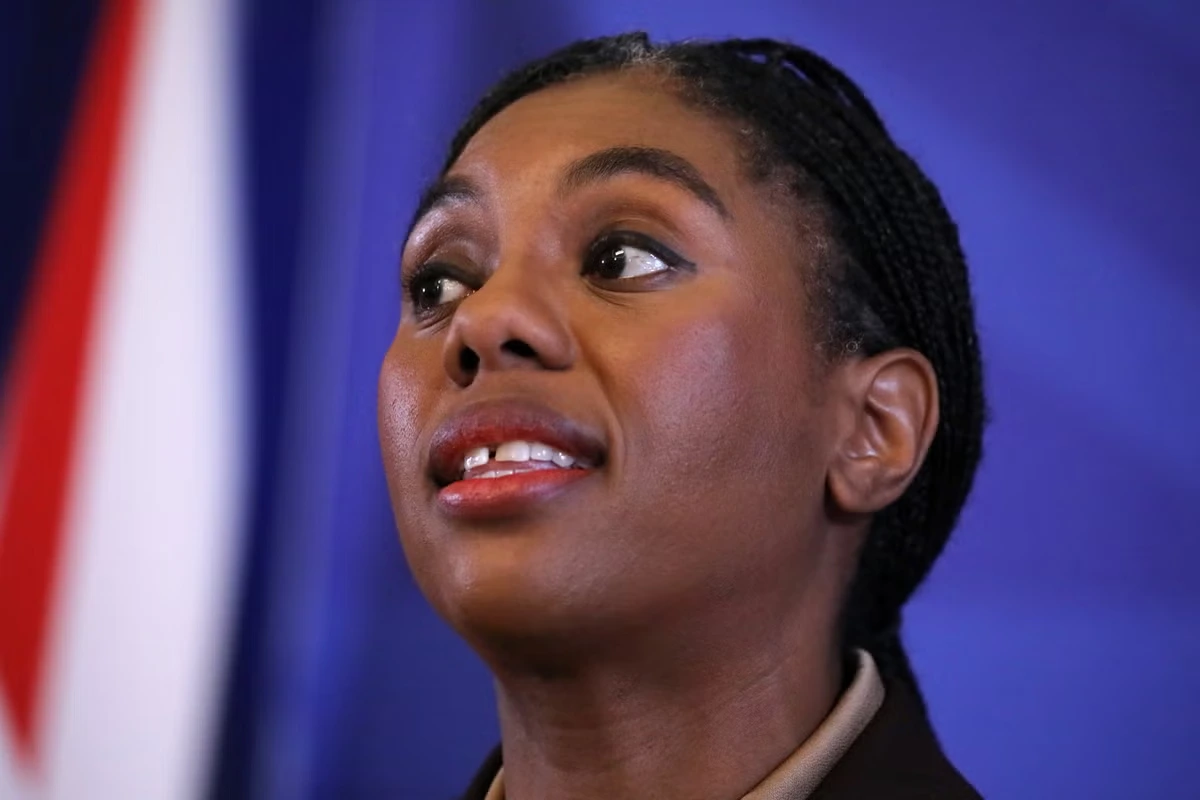
That is what I hope Kemi Badenoch meant when she said today: “I don’t want us to end up like France is ending up, with so much civil unrest.” But she came too close to sounding as if she was blaming the violence on the streets of French cities on immigration. She said that if Shabana Mahmood, the home secretary, fails to restrict settlement rules, we will see “a lot more problems in the country”.
This makes no sense. French students rioted in 1968 when African immigrants made up fewer than 2 per cent of the population – and it was students again who triggered the latest wave of violence, ostensibly protesting against conditions in schools.
The danger is not immigration, but the radicalisation of those opposing immigration. It was expressed well by the Telegraph’s Tim Stanley on Newsnight last night: “I have to tell you that politics in this country is fracturing and it’s becoming extreme.”
He referred to Restore Britain, the party set up by Rupert Lowe, the former Reform MP disowned by Nigel Farage for his views on “repatriating” immigrants. Lowe’s views are a throwback to those of Enoch Powell in the 1970s – half a century ago. It seemed to optimists that those ideas of reversing immigration had more or less died out.
Yet in only the last few days, Lowe has posted on X: “Islam, as practised by millions of Muslims in Britain, is entirely incompatible with our British way of life.” And: “Tens and tens of millions must be forced to leave our continent.”
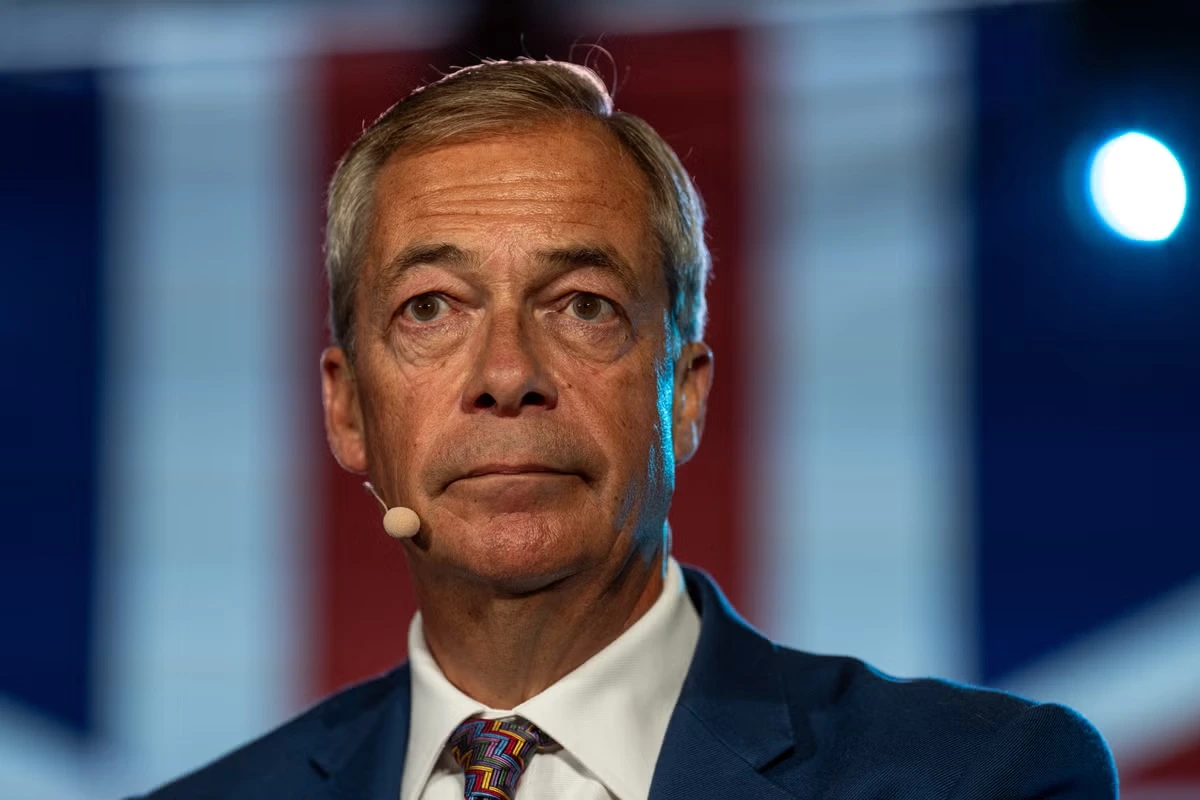
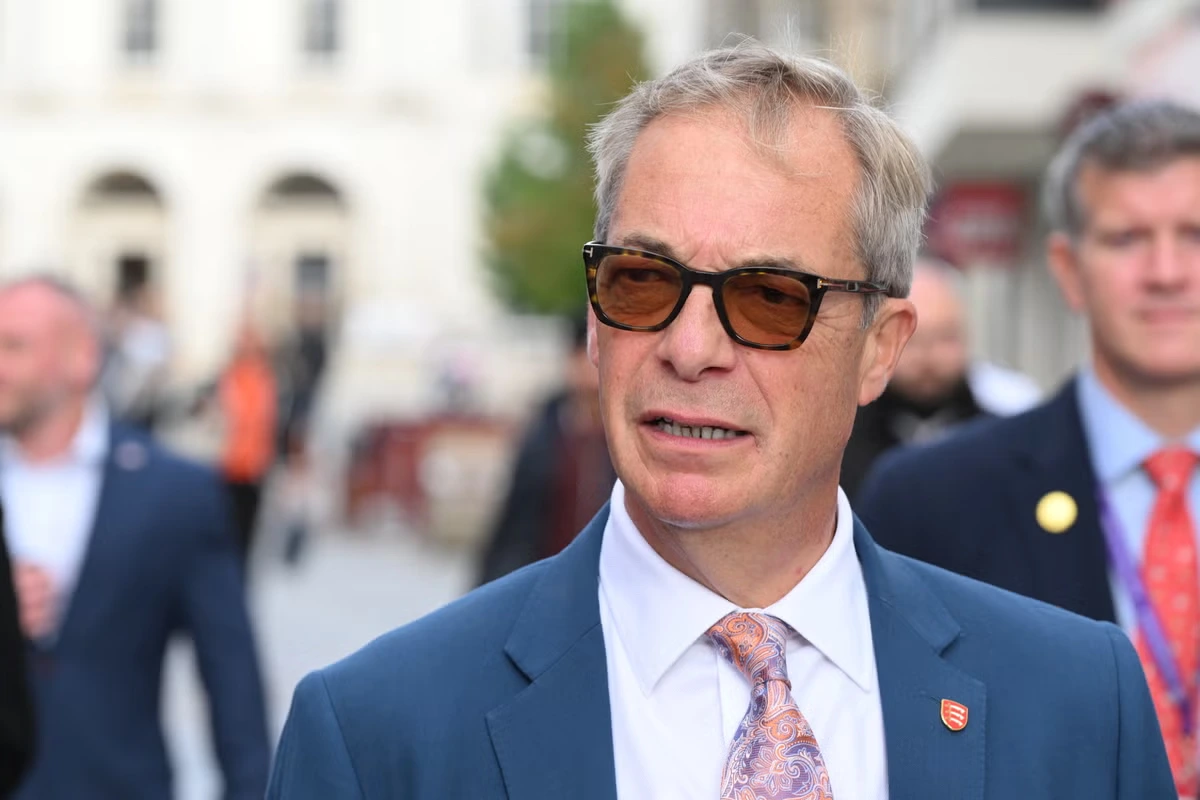
However distasteful some of Farage’s views, he seemed to understand that a party with mass appeal needed to distance itself from this extreme fringe. Thus he refused to have anything to do with Tommy Robinson, the nom-de-guerre of Stephen Yaxley-Lennon, and, after he was elected to parliament, Lowe himself.
It was tempting to give Farage some credit for this and to assume that Lowe would decline into obscurity, but he did not. Assisted by the endorsement of Elon Musk and turbocharged by the algorithm on X, Lowe and his party gained enough public support to weaken Reform. Some pollsters have started to prompt for Restore, and they record the backing of between 2 and 6 per cent of those intending to vote.
Extreme views are not confined to the right, of course. Support for the Palestinian cause can shade into some dark places, as the Green Party is finding out.
The respectable middle-class activists who supported the “Zionism is racism” motion at the Green Party conference may believe in pacifism, non-violence and, at most, civil disobedience. But they risk giving licence to antisemitism that leads to violence – or simply, in the case of Palestine Action, a passionate conviction in the rightness of their cause that they think justifies assaulting a police officer with a sledgehammer.
On both the extreme right and left – the horseshoe theory in practice – there is a coarsening of the language that I have been warning about for years. Instead of engaging in debate, people denounce those with whom they disagree as liars and demand that they be locked up. Donald Trump has a lot to answer for, as American political culture percolates straight across the Atlantic through the porous English-speaking social media universe.
“I’m warning you,” Stanley said on Newsnight, “things are fracturing and they’re turning nasty.” Things are getting worse. The appearance of gangs of balaclava-clad men dressed in black on British streets is a step back beyond the 1970s into the prewar past of 100 years ago.
The clashes with the police in Portsmouth last month after a dinghy of migrants landed there from France should sound an ominous warning. Angela Rayner, the housing secretary, was asked by the BBC this morning if there were plans in place to respond to an outbreak of serious disorder. She didn’t answer the question.
She and the prime minister need to heed the warning from the collapse in flames of the tower of Limoges town hall. Something like that could happen here.