UK inflation has risen to its highest rate in almost a year as surging petrol and diesel prices pushed up the cost of living, new figures show.
The Office for National Statistics (ONS) said the rate of Consumer Price Index (CPI) inflation was 3.5 per cent in September, up from 3.1 per cent in August.
This was the highest CPI rate since the 3.6 per cent recorded in October last year, and came in above the 3.4 per cent that most economists had expected for the month.
This means the price of goods and services is rising at a faster rate than it was before, and inflation is drifting further away from the Bank of England’s two per cent target.
Prices across the transport industry were the biggest contributor to higher inflation last month, particularly at the pump.
Overall, motor fuels soared by 30 per cent in the year to September, up from a 23 per cent annual rise in August, ONS data showed.
Between August and September, average petrol prices rose by 8.2p to 169.5p per litre, which was the highest price recorded in around four years.
Diesel also surged by 10.7p to 192.5p, the highest price since July 2022.
According to RAC figures, average diesel prices surpassed 200p a litre for the first time ever at the beginning of this month.
Fuel costs have been soaring because of the Iran war, which has squeezed global oil and gas supplies.
ONS chief economist Grant Fitzner said: “Inflation climbed notably in September to its highest annual rate in almost a year.
“Increased fuel prices were again the main driver, with the cost of diesel the highest since July 2022.
“Other upward pressures included airfares and, to a lesser extent, computer games and live events, which are often volatile.
“These were partially offset by the cost of hotel stays, where prices rose by less than this time last year.
“The annual cost of both raw materials and goods leaving factories continued to rise, driven by higher crude oil and petrol prices, respectively.”
Responding to the new figures, Chancellor John Healey said: “We know that price rises from conflicts in the Middle East and Europe are hitting Britain and countries worldwide.”
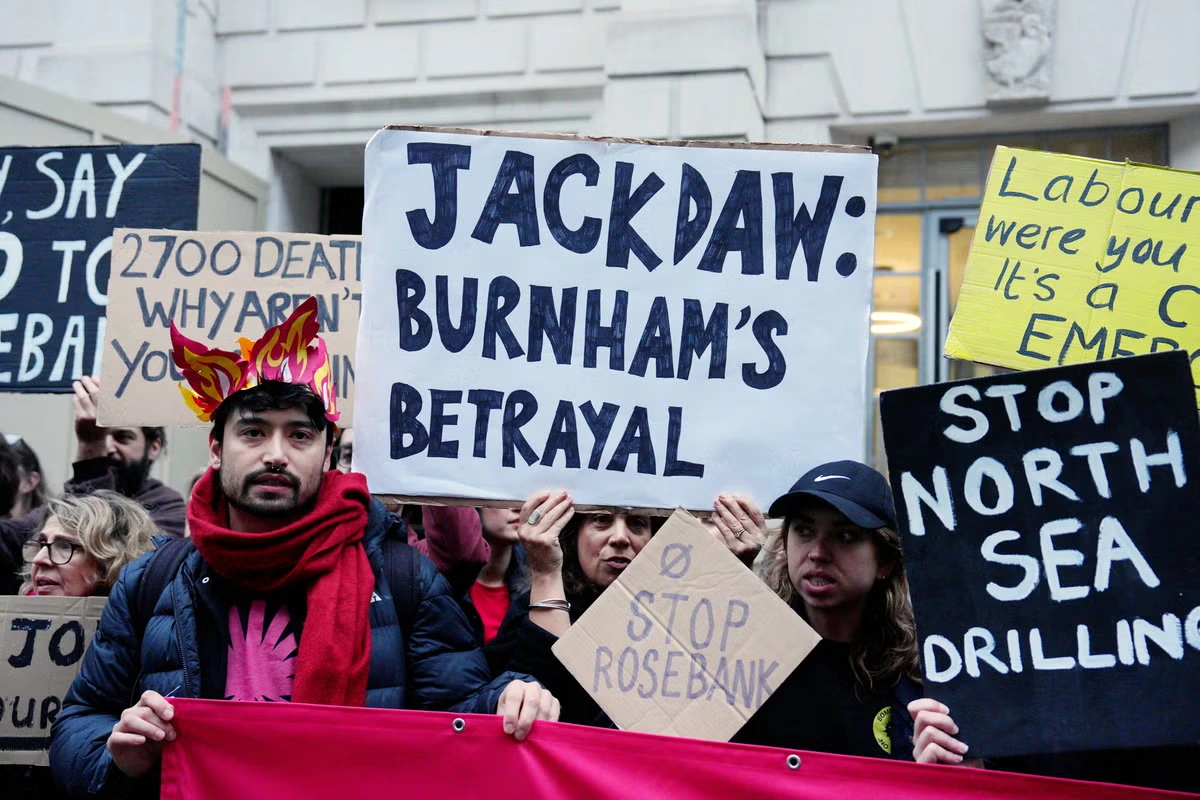
But he said the Government’s decision on Wednesday to begin drilling in the Jackdaw gas field in the North Sea was investment “in our clean energy future and supporting British workers”.
“In my Budget next week, I will keep up this momentum,” he said.
“Maintaining our fiscal discipline and drive for growth in every postcode, while giving businesses and families some breathing space.”
Experts said the latest figures could put more pressure on Mr Healey to unveil new cost-of-living support measures in his autumn Budget statement next week.
Suren Thiru, chief economist for the Institute of Chartered Accountants England and Wales (ICAEW), said inflation was “deepening the financial squeeze on households and businesses”.
“Rising inflation is turning the Budget into a perilous high-wire act for the Chancellor, increasing pressure for cost-of-living support while pushing up Government borrowing costs, which is shrinking fiscal headroom and narrowing his policy options,” he said.
It also means mortgage holders and borrowers are facing the prospect of higher interest rates next month, economists think.
Martin Sartorius, lead economist for the Confederation of British Industry (CBI) said September’s inflation rise means an interest rate hike was “firmly on the table” at the Bank of England’s next meeting in November.
He said the Bank’s rate-setting will likely want to “guard against the risk of persistently higher headline inflation” feeding through to other parts of the economy, like shop prices and wages.
Most economists expect inflation to rise further in the months ahead, with an increase to Ofgem’s price cap on household energy bills kicking in at the start of October, meaning higher prices for dual-fuel households over the winter.
Meanwhile, the September inflation rate is typically used to decide the level of increase for many benefits, such as universal credit, tax credits and disability benefits.
This rate is also a key part of the pension triple lock, which is used to decide how much pensions will increase by in the following April.
But the increase is based on either this inflation rate, average earnings growth between May and July, or 2.5 per cent.
State pensions are, therefore, widely expected to increase by 3.9 per cent next year based on wage growth figures, which is the highest of the three.
The data also showed that Consumer Price Index including Housing (CPIH), the ONS’s preferred measure of inflation, rose to 3.6 per cent in September from 3.3 per cent last month.
Meanwhile, Retail Prices Index (RPI) inflation rose to 3.9 per cent from 3.4 per cent in August.